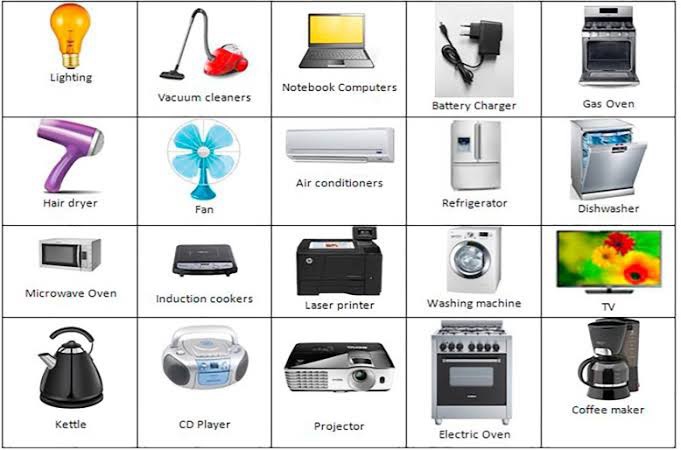
An overview of electronic devices
Electronic devices are at the heart of modern technology, controlling the flow of electrical currents to process information and manage systems. This control is achieved primarily through the use of semiconductor materials like silicon and germanium, which can selectively conduct or resist electricity.
Here’s a breakdown of the key aspects of electronic devices:
How they work
- Controlling Electron Flow: Electronic devices function by manipulating the movement of electrons and holes within semiconductor materials.
- Active Components: These components can amplify or generate electrical signals. Examples include transistors and diodes.
- Transistors: Act as switches to control current flow or amplify weak signals.
- Diodes: Allow current to flow in only one direction, used for rectification (converting AC to DC) and signal modulation.
- Passive Components: These components consume or store electrical energy. Examples include resistors, capacitors, and inductors.
- Resistors: Regulate the flow of current by providing resistance.
- Capacitors: Store electrical energy in an electric field.
- Inductors: Store energy in a magnetic field.
- Integrated Circuits (ICs): Tiny chips containing millions of transistors and other components, allowing for complex functions like processing and memory.
Examples and applications
Electronic devices are pervasive in our daily lives, transforming industries and societal interactions.
- Consumer Electronics: Smartphones, televisions, computers, smartwatches, home appliances like microwaves and washing machines.
- Industrial Electronics: Process control systems, industrial robots, automation controllers, motor drives.
- Medical Electronics: Pacemakers, blood pressure monitors, ECG machines, ultrasound scanners.
- Automotive Electronics: ABS systems, engine control units, infotainment systems, navigation systems.
- IoT Devices: Smart home hubs, wireless sensor nodes, smart plugs, security cameras.
Impact on society
The widespread adoption of electronic devices has brought about both positive and negative consequences.
- Positive Impacts: Increased connectivity and communication, enhanced access to information and resources, automation of tasks leading to greater efficiency, and advancements in fields like medicine and education.
- Negative Impacts: Cyberbullying and harassment, spread of misinformation and fake news, potential for addiction and reduced face-to-face interactions, and the environmental impact of electronic waste and energy consumption.
Future trends
The electronics industry continues to evolve rapidly, driven by technological advancements and consumer demand.
- Miniaturization: Devices are becoming smaller and more compact, leading to innovations like microelectronics, mentions FinFET and 3D stacking as advanced semiconductor technologies.
- Flexible and Wearable Electronics:Advancements in materials science are enabling the creation of bendable screens, rollable displays, and wearable sensors.
- Internet of Things (IoT): The growth of interconnected devices will lead to increasingly smart homes, industrial automation, and connected vehicles.
- Artificial Intelligence (AI) Integration: AI algorithms are being embedded into electronic devices, enhancing user experiences and enabling features like voice assistants and image recognition.
- Quantum Computing: While still in its early stages, quantum computing holds the potential to revolutionize fields like cryptography and scientific simulations.
- Sustainability and Green Electronics: The industry is moving towards sustainable materials, energy-efficient designs, and responsible manufacturing practices.
 Data arena tech